

Best Apps to Help Overcome Loneliness in Australia
Discover the best apps in Australia to overcome loneliness, build social connections, access peer support, and improve emotional wellbeing.
Loneliness can affect anyone, regardless of age, background, or lifestyle. In Australia, it’s a growing concern, with government and health organisations recognising loneliness as a major factor impacting mental wellbeing. The good news is that there are apps designed to help, whether by fostering social connection, offering peer support, or supporting emotional wellbeing.
This guide covers the best apps to help overcome loneliness in Australia, how each type helps, and how to choose what’s right for you.
Understanding Loneliness (and Why Apps Can Help)
Loneliness isn’t just about being alone, it’s about feeling disconnected. That disconnection can come from moving cities, working remotely, losing social circles, or going through life changes. Australian health authorities such as Healthdirect and Lifeline highlight that social connection plays a critical role in mental health.
Apps can help by:
- Creating safe spaces to connect
- Reducing isolation through shared experiences
- Making support more accessible and low-pressure
If you’re exploring connection more broadly, Loneliness in Australia: The Part No One Talks About offers deeper context on why this issue is so common.
Social Connection & Community-Building Apps
These apps focus on helping you meet people, build friendships, and feel part of a community.
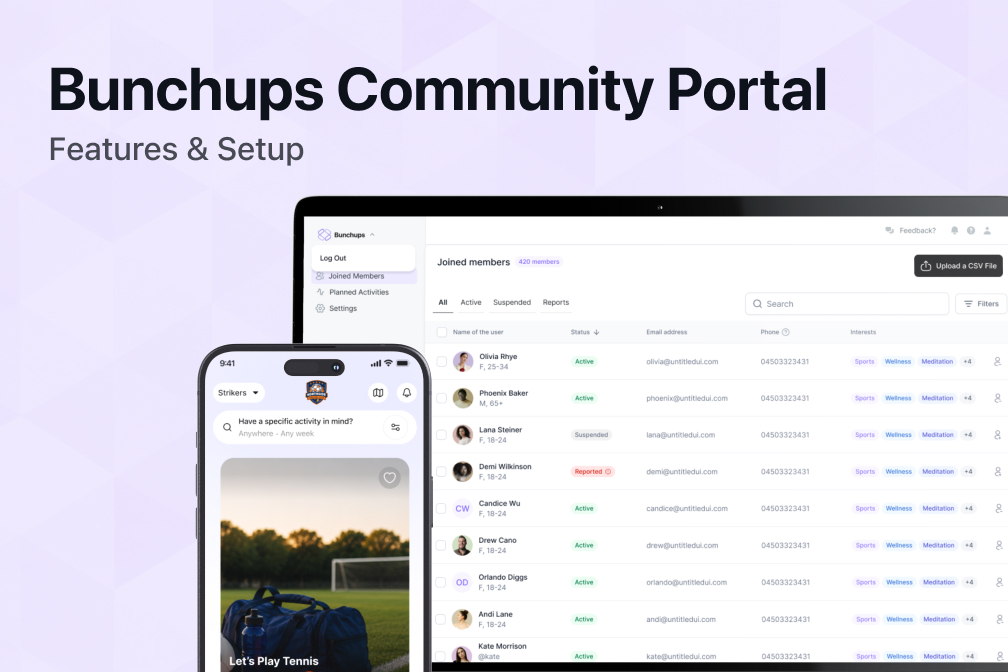
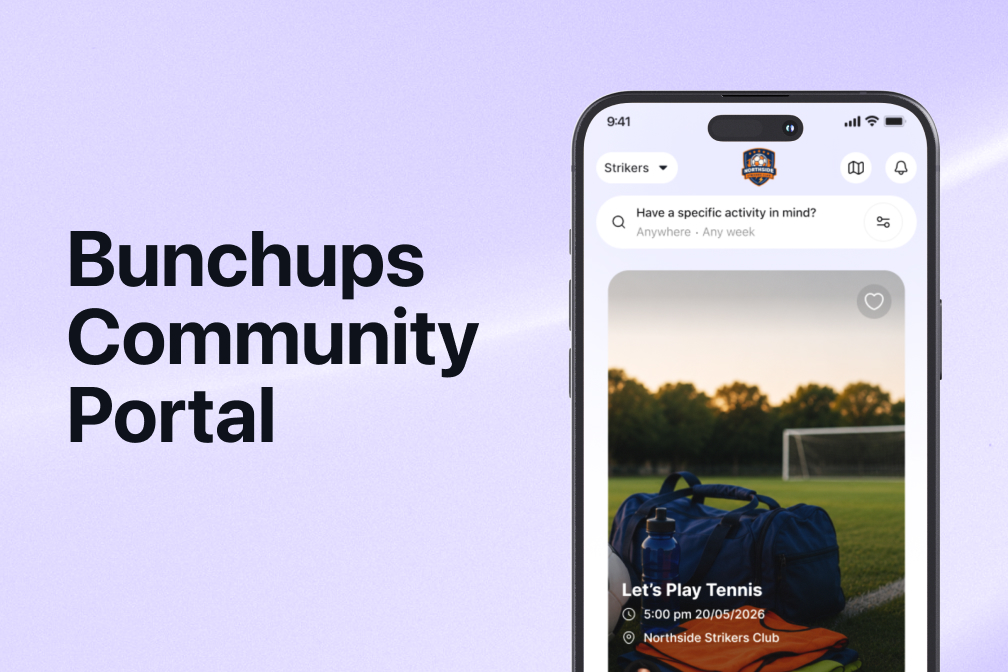
Bunchups
Bunchups is built around real-life social connection through shared interests. Instead of focusing on large group events, it helps people discover and plan one-on-one and small, interest-based hangouts, from walks and hobbies to casual social activities.
This works particularly well if loneliness is coming from a lack of in-person connection rather than a need for clinical support. It’s also a natural next step after reading How to Make Friends as an Adult in Australia.

Meetup
Meetup is one of the most widely used platforms in Australia for finding local groups. From walking clubs and creative meetups to discussion groups, it allows you to meet people through shared activities rather than forced conversation.
For many people experiencing loneliness, activity-based connection feels more comfortable and sustainable.

Tribal
Tribal focuses on matching people based on shared values and interests. While it includes both friendship and dating elements, its emphasis on values-based connection can appeal to people looking for deeper, more meaningful relationships.

Peanut
Peanut is designed specifically for mothers, offering a space to connect, chat, and meet other women nearby. For new parents or mothers feeling isolated, this can be a powerful way to find understanding and shared experience.
Peer Support & Story-Sharing Platforms
These apps are not about meeting socially, but about feeling understood and heard.
OurHerd
OurHerd is an Australian-developed app that allows young people to share lived experiences around mental health. It focuses on storytelling and reducing isolation by helping users realise they’re not alone.
TalkLife
TalkLife offers anonymous peer support, allowing users to share struggles and connect with others going through similar experiences. It’s especially useful when loneliness feels overwhelming and you need immediate emotional connection.
Griefline & Lifeline Forums
These forums provide safe spaces to connect with others experiencing loneliness, grief, or emotional distress. They are moderated and focused on support rather than socialising.
Mental Wellbeing & Self-Help Apps
These apps help manage emotions associated with loneliness, such as anxiety, low mood, or stress.
Smiling Mind
Smiling Mind is an Australian-developed mindfulness app offering guided meditation and wellbeing programs. While it doesn’t directly connect you with others, it can help regulate emotions that often accompany loneliness.

MoodMission
MoodMission uses evidence-based CBT techniques to help users manage low mood and anxiety. It’s helpful when loneliness starts affecting daily functioning.

MindSpot / This Way Up
These platforms offer structured online programs for anxiety and depression. They’re best suited when loneliness is part of a broader mental health challenge.
Which Type of App Is Right for You?
If loneliness feels like social isolation, community-focused apps and local activities tend to help most. If it feels more emotional or overwhelming, peer support or wellbeing apps may be a better first step.
Often, the most effective approach is a combination, managing emotions while gradually rebuilding social connection. You might find Self-Development & Support: Why Community Is Key to Personal Growth useful here.
When to Seek Extra Support
If loneliness is significantly impacting your mental health, reaching out to professional support is important. Australian resources include:
- Lifeline (13 11 14)
Apps can help, but you don’t have to face things alone.
Final Thoughts: Connection Is a Process, Not a Switch
There’s no single app that “fixes” loneliness. What helps is taking small, manageable steps toward connection, whether that’s sharing your story, calming your mind, or meeting others through shared interests.
If you’re ready to move from feeling isolated to building real-world connection, explore Bunchups, a platform designed to help people connect through everyday activities, at their own pace.