

How to Make Parent Friends in Australia: Real, Easy Ways to Connect With Other Parents
Want to make parent friends in Australia? Here are simple, realistic ways to meet other parents, build your support circle, and form genuine friendships through everyday routines.
Parenting changes everything - your time, your priorities, your routines, your friendships.
Between school runs, tired mornings, endless laundry, and busy weekends, most parents find themselves thinking:
“I wish I had more parent friends… but I don’t even know where to start.”
Whether you’re a first-time parent, a parent of older kids, a step-parent, or starting over in a new place, building parent friendships in Australia is absolutely possible and a lot easier when you understand where real parent connections naturally happen. If you're settling into a new area, guides like ‘How to Make Friends in a New City: Australia Guide’ can make that transition feel a lot more manageable.
This guide is designed to help you form friendships with other parents in ways that feel natural, comfortable, and realistic for your daily life.
Why Making Parent Friends Feels Hard (But Isn’t Impossible)
1. Parenting routines are intense and unpredictable
Work... kids... activities... appointments…
By the time you catch your breath, the day is already over.
Finding time for adult friendships can feel impossible unless they are built into your existing routine and understanding how adults make friends in Australia can help you see that small, everyday interactions are more powerful than they look.
2. Most parent interactions are rushed
School pickup lines, park runs, sports sidelines, daycare drop-offs - none of these give you long moments to connect.
You get:
- quick hellos
- half conversations
- smiling at familiar faces
These interactions matter but they rarely feel like moments where you can build real meaningful friendship (Psst...you can turn these into real connections using these simple ideas on making friends after 30).
3. Not all parents connect the same way
Just because your kids are the same age doesn’t mean you immediately click with the adults in the room.
What parents really need is:
- shared values
- similar energy
- similar routines
- compatible lifestyles
Those are the friendships that work in the long-term.
4. It’s easy to feel like everyone already has their group
School communities, sports groups, neighbourhood circles - many look established from the outside.
But the truth?
Countless parents feel just as disconnected as you do.
Where Parent Friendships Naturally Start in Australia
You don’t need to invent new social opportunities because parent friendship moments already exist in your week.
Here’s where connections naturally grow:
1. Daycare and school routines
Drop-offs, pick-ups, assemblies, school events, and parent-teacher nights create repeated familiarity.
And if you’ve just moved or switched schools, pairing this with tips from this guide on rebuilding your social life can make settling in easier.
2. Kids’ sports and activities
Swimming, soccer, dance, gymnastics, footy, music lessons - these activities give you built-in time around the same parents each week.
Perfect for:
- quick chats
- shared laughs
- bonding over the chaos
- planning a playdate
3. Local playgrounds and parks
Playgrounds naturally attract:
- families from your suburb
- kids with similar ages
- parents with shared routines
Going to the same park consistently increases your chances of seeing the same families again and again.
4. Library programs, storytime, and weekend events
Libraries are quiet, calm, community-centric spaces - great for conversation without chaos.
5. Parent-centric classes and workshops
Some great options in Australia include:
- baby sensory
- toddler music
- art & craft sessions
- pram walking groups
- early parenting groups
- local community centre programs
Everyone is there for the same reason, which removes pressure.
How to Make Parent Friends in Australia (Practical, Real Steps)
1. Start with small, simple conversations
You don’t need to jump into deep chats immediately.
Try easy openers:
- “How long have your kids been doing this class?”
- “Is it usually this busy on Saturdays?”
- “This park is a lifesaver - do you come here often?”
- “Which school year is your little one in?”
Parents bond fastest through familiar, everyday topics.
2. Let repetition build comfort for you
Friendships form through consistency, not intensity.
If you keep showing up to the same places, you’ll naturally gravitate towards parents who feel familiar and friendly.
This removes the pressure of “finding friends” - it just happens gradually. That’s how adult friendships form slowly but meaningfully.
3. Suggest low-effort, kid-friendly micro-hangouts
Parents don’t want big commitments - they want easy.
Great options:
- a quick coffee after school drop-off
- meeting at the park
- a supermarket run together
- letting the kids ride scooters while adults chat
- a casual café catch-up
- a weekend beach walk with prams
Low effort means high connection potential.
4. Look for parents with similar day-to-day rhythms
The best parent friendships form between people who share:
- similar nap windows
- similar after-school time
- similar weekend routines
- similar work schedules
Matching rhythms > matching parenting styles.
5. Build friendships through shared interests (not just shared kids)
Parenting connects you but shared identity keeps you close.
Look for parents who enjoy:
- fitness
- books
- creative hobbies
- coffee meetups
- walking
- markets
- crafts
- food
- nature
When parents bond over both lifestyle + kids, friendships become deeper and more sustainable. If you want to meet parents with similar hobbies, platforms like
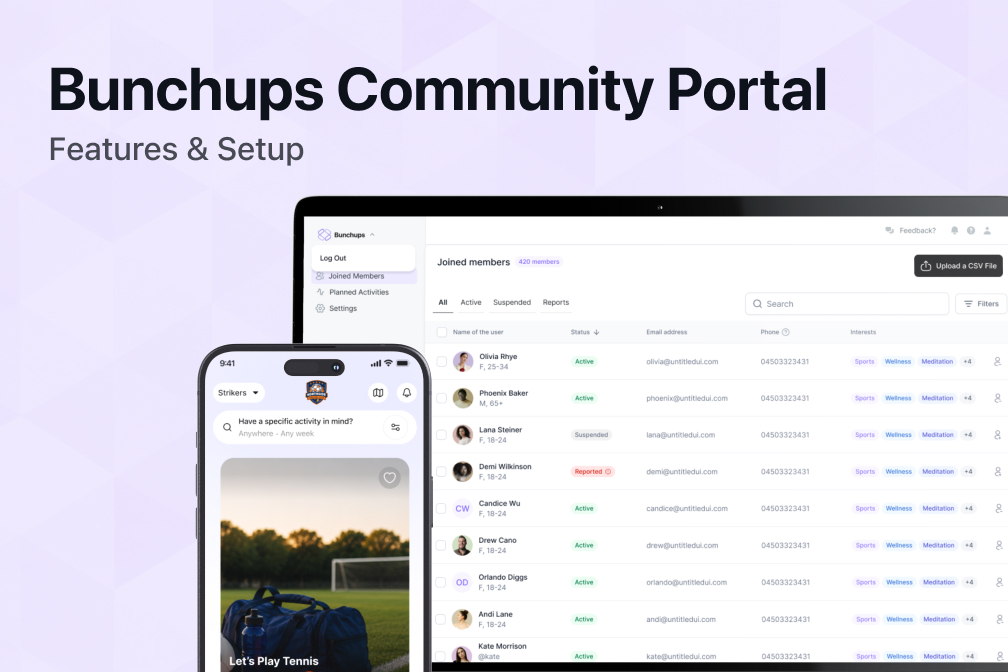
Bunchups make it easy to find other parents who enjoy the same activities.
6. Use Bunchups to find other parents nearby who want real, simple connection
Bunchups is designed for small, interest-based, easy meetups - perfect for parents who don’t want complicated planning or big groups.
Parents use Bunchups to:
- plan park meetups
- grab a quick coffee
- join stroller walks
- meet other parents in the area
- create routines around school hours
- socialise without pressure
It’s connection made simple - no judgment, no expectations.
7. Start tiny - then slowly grow the friendship
Parent friendships don’t have to move fast.
Slow, steady, comfortable progress builds strong bonds.
The progression usually looks like this:
A smile that leads to small talk turned into regular chat that leads to park hangouts and before you know it becomes a deeper friendship.
Let it unfold naturally.
What If You Recently Moved, Changed Schools, or Started a New Routine?
New transitions are ideal for making parent friends because everyone is adjusting.
Try:
- introducing yourself at pick-up
- joining school WhatsApp/Facebook groups
- going to orientation sessions
- attending a weekend local event
- participating in community activities
People are more open during transition moments - use that window. Australia’s parenting support networks like the Raising Children Network also offer guidance on settling into new communities.
A Simple 14-Day Plan to Start Making Parent Friends
Day 1-3: Choose one routine-based place to focus on (school pick-up, library, park).
Day 4-6: Say one short sentence to another parent.
Day 7-10: Stay 5-10 minutes longer to build familiarity.
Day 11-12: Suggest a tiny micro-hangout (“Want to grab a quick coffee after school?”).
Day 13-14: Repeat the activity with the parent you connected with most.
Slow. Natural. Effective.
Final Thoughts - Parent Friendships Don’t Need to Be Complicated
You don’t need:
- perfect schedules
- big social energy
- large groups
- elaborate plans
You do need:
- small interactions
- simple moments
- consistency
- shared routines
- like-minded parents
Parent friendships grow in the everyday - during school runs, playground visits, shared coffees, and moments where you feel seen by someone who understands your stage of life.