
How to Find a Camping Buddy in Australia for Your Next Trip
Looking for a safe, reliable, friendly camping buddy in Australia? Here’s a warm, beginner-friendly guide to finding the right person - with practical safety tips, compatibility cues, and modern ways to meet people.
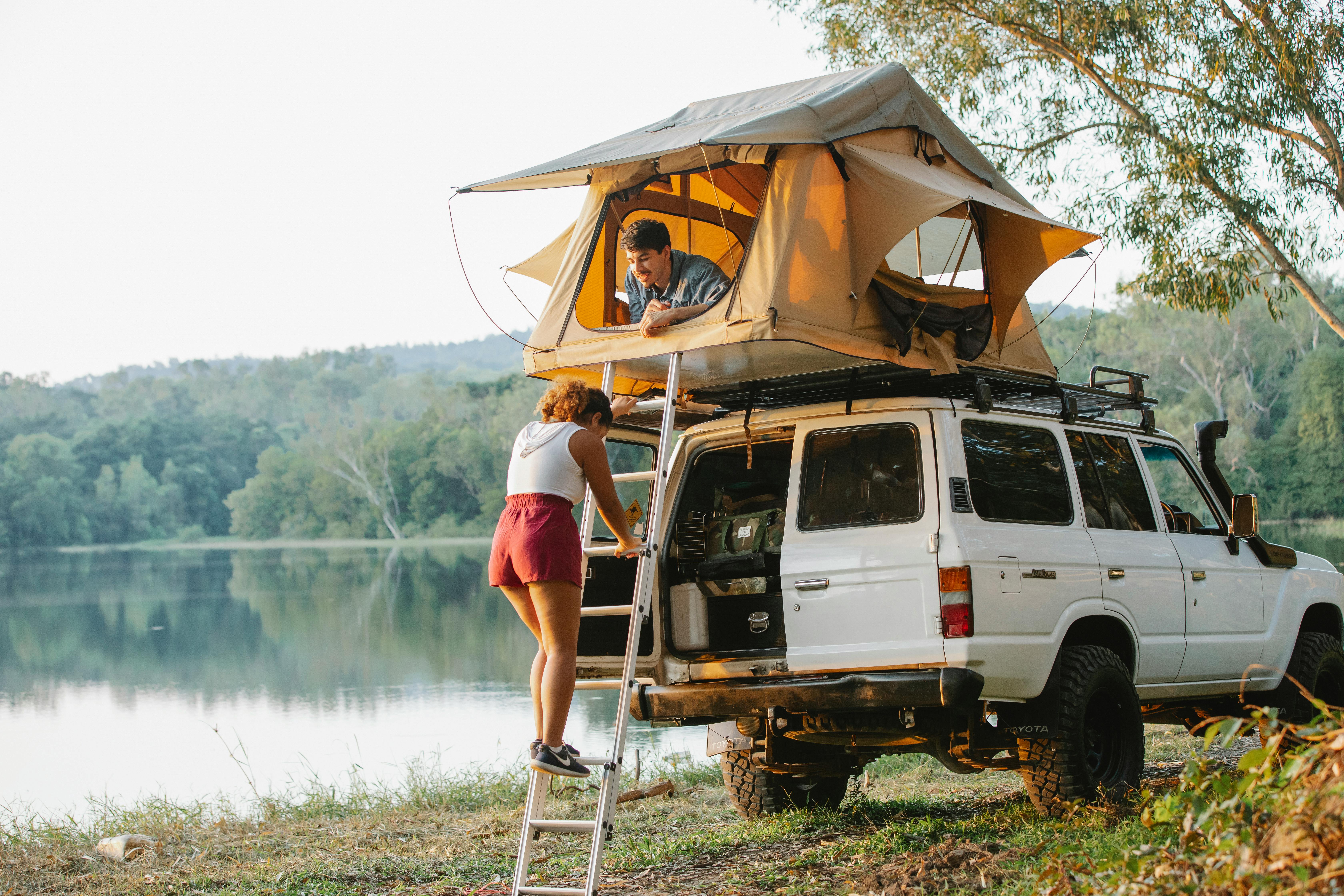
Camping in Australia is one of the most beautiful ways to unplug - oceanfront campgrounds, red dirt landscapes, star-filled skies, lush rainforests, riverbanks, and everything in between. But as freeing as the outdoors can be, camping alone isn’t always the easiest or safest option.
Setting up camp, building a fire, navigating unfamiliar roads, dealing with wildlife, and sleeping overnight in a remote area can feel overwhelming without support. A good camping buddy changes everything - the trip feels lighter, safer, and far more enjoyable.
Whether you're new to camping, returning after a long break, or simply hoping for someone to share the road with, this guide will help you find a reliable camping partner in Australia quickly, comfortably, and safely.
Why a Camping Buddy Makes Every Trip Safer and More Enjoyable
Camping with someone you trust isn't just fun - it’s one of the smartest ways to explore Australia’s great outdoors.
Safety increases dramatically when you're not alone.
Australia’s wilderness is incredible but unpredictable. Weather shifts fast, trails vary in difficulty, animals can appear unexpectedly, and some campgrounds are hours from the nearest town.
If you’re planning hikes as part of your trip, you might also like our guide on how to find a hiking buddy in Australia so you can match your walking plans to the right person too.
Setting up camp is easier with two people.
Putting up tents, managing gear, checking campsite conditions - all simpler with help.
You share responsibility.
Cooking, packing, carrying equipment, keeping an eye on the fire, navigating roads - teamwork makes it smoother.
You stay motivated.
It’s easier to follow through on a weekend camping plan when someone else is excited too.
Conversations make the trip richer.
Long drives, quiet evenings, and starry nights feel more memorable with good company.
It’s emotionally comforting.
The outdoors can feel isolated at night - having someone with you makes the experience feel calm and grounding.
A camping buddy isn’t just a companion; they’re a partner in safety, enjoyment, and shared adventure.
What Makes Someone a Reliable Camping Partner?
Camping involves trust and shared decision-making - so the “right” person matters even more than in hiking.
Here are the qualities to look for:
1. Good communication
A great camping buddy is clear about:
- their expectations
- their comfort levels
- their experience
- early starts vs. slow mornings
- campsite noise preferences
- driving responsibilities
Camping requires teamwork, and communication sets the foundation.
2. Similar comfort levels
Some campers love minimal setups; others need organised gear and a bit of structure. Matching comfort preferences helps prevent stress during the trip.
3. Shared approach to safety
The right person understands:
- fire rules
- wildlife awareness
- secure food storage
- weather checks
- campsite etiquette
- emergency plans
4. Respect for nature
A good camping buddy leaves the campsite better than they found it - no mess, no reckless behaviour.
5. Reliability
They show up on time, honour commitments, bring the gear they say they’ll bring, and communicate clearly before the trip.
6. Balanced personality
Camping requires long stretches of time together - look for someone whose energy feels calming, respectful, and easy to be around.
Where Australians Actually Find Camping Buddies Today
You don’t need a 4WD group of 50 people to start camping with others. Most adults find camping partners through small, simple, connection-friendly spaces.
1. Local small-group meetups
This is one of the easiest ways to meet others who enjoy low-pressure camping, short trips, or weekend getaways.
2. Outdoor and camping stores
Places like Anaconda, BCF, or Paddy Pallin sometimes run community events or workshops. Staff and customers are often outdoor lovers too.
3. Community boards at libraries or councils
Outdoor clubs and local groups often advertise upcoming trips here, and it’s also a great way to discover niche hobby circles. If you’re exploring different interest-based communities, this guide may help: How to Find Hobby Groups & Interest-Based Friendships in Australia.
4. Fitness studios with adventure culture
Climbing gyms, outdoor bootcamps, and running groups attract people who enjoy nature-based activities. If you’re specifically looking to meet someone for runs, this guide may help: How to Find a Running Buddy in Australia.
5. 4WD clubs (for more experienced campers)
If you’re comfortable with off-road trips, these can be a reliable option - but they often attract advanced campers.
6. Facebook camping groups
These can help you meet people, though group dynamics can be overwhelming and sometimes inconsistent.
7. University outdoor societies
Young adults often find camping buddies through university clubs, even after graduating.
The key is to choose environments where you feel comfortable - not forced.
Matching Personalities: The Different Types of Campers
Knowing what kind of camper you are helps you find someone who complements your style.
The “Chill-out” Camper
Loves slow mornings, simple meals, quiet evenings, minimal gear, and relaxing in nature.
The Adventure Camper
Wants to hike, climb, swim, or explore all day. Great for energetic weekends and people who also enjoy more active outdoor sports. If this sounds like you, here’s a helpful guide on how to find a perfect sports partner in Australia.
The Organised Planner
Has a checklist, researched the campground, preps meals, checks fire bans, and knows backup spots.
The Minimalist Camper
Travels light, brings essentials only, loves spontaneous over planned trips.
The Comfort Camper
Enjoys a proper setup - good food, comfy chairs, lanterns, decent sleep arrangements.
The Road-Trip Camper
Loves long drives, exploring multiple spots, and camping along the way.
Your best camping buddy is someone whose rhythm doesn’t clash with your own.
Essential Safety Tips When Camping With Someone New
Camping with a new person requires clear expectations and simple safety checks.
These tips help ensure the trip stays enjoyable and stress-free:
1. Meet in public before committing to a camping trip.
Have a coffee. Talk about:
- experience levels
- comfort zones
- campsite type preference
- sleeping arrangements
- day activities
- driving responsibilities
- emergency expectations
2. Start with a one-night, easy-access campground.
Avoid remote bush camps for your first trip together. Choose a campsite that:
- is close to a town
- has clear facilities
- is known or reviewed online
- suits both your experience levels
State park websites like NSW National Parks or Parks Victoria list campground details and difficulty levels, which can help you choose a safe first spot.
3. Share your itinerary with someone you trust.
Include:
- campsite name
- arrival and departure times
- phone reception expectations
- emergency contact
4. Discuss gear upfront.
This prevents awkward surprises:
- tents
- torches
- bedding
- kitchen setup
- water storage
- cooking tools
5. Respect campsite etiquette.
Quiet hours, rubbish disposal, wildlife safety, fire rules - all essential.
6. Trust your instincts.
If someone feels unsafe or uncomfortable, you can always step back.
Safety isn’t paranoia - it’s preparation.
A Calm, Step-by-Step Approach to Finding the Right Camping Buddy
No pressure. No rush. Just a natural progression.
Here’s a gentle way to build connection:
Step 1: Define your camping style.
Do you prefer coastal? Forest? Mountains? Two-day trips? Road trips?
Step 2: Join one or two small social spaces.
Outdoor-focused meetups, local groups, or interest-based gatherings.
Step 3: Start with low-stakes outings.
A short walk, a visit to a national park, or a sunset lookout.
See if you match in conversation, pace, and energy.
Step 4: Plan a simple, one-night camping trip.
Choose an accessible campground close to a town.
Step 5: Build comfort before planning bigger trips.
More remote campgrounds and multi-day adventures come later.
If you want to meet people who enjoy relaxed, beginner-friendly camping - not overwhelming 4WD convoys - Bunchups helps you find small, interest-based outdoor companions in your area.
Final Thoughts: The Best Camping Trips Start With the Right Person
A camping buddy doesn’t have to be an expert, a seasoned adventurer, or someone with all the gear. What matters most is shared respect, comfort, personality fit, and a gentle sense of adventure.
With the right person, even a simple one-night coastal campground can feel like a reset - warm conversations, fresh air, quiet mornings, and a reminder that connection feels different in nature.
You don’t need a massive group or a convoy of 4WDs.
You only need one person who enjoys the outdoors the way you do.
And once you find them, camping starts to feel safer, easier, and endlessly more enjoyable.