
How to Find a Fishing Buddy Near You in Australia
Want a fishing mate but don’t know where to start? Here’s a friendly, beginner-safe guide to finding a fishing buddy in Australia - including where to look, how to match fishing styles, and simple safety tips.
Fishing in Australia is more than a hobby - it’s a ritual. Early morning air, tide watching, quiet conversation, the thrill of a bite, and the calm that settles in when you’re standing by the water. But while fishing solo can be peaceful, fishing with someone else makes the whole experience easier, safer, and more enjoyable.
A great fishing buddy helps you learn new spots, stay motivated, swap skills, share gear, and make those long hours by the water feel even more rewarding. Whether you’re new to fishing, returning after years, or simply want a friendly local to cast a line with, this guide will help you find the right fishing companion - safely, quickly, and without awkwardness.
Why Fishing Is Better (and Safer) With a Buddy
Fishing looks simple from the outside - but things can go wrong unexpectedly, especially around water, rocks, or fast-changing weather. That’s why having the right person beside you makes fishing safer and more enjoyable.
1. Safety comes first - especially on rocks and beaches.
Rock fishing, surf fishing, jetties, and riverbanks can be unpredictable.
A buddy helps you:
- watch the swell
- manage slippery surfaces
- keep an eye on tides
- avoid dangerous ledges
2. You learn faster.
Fishing is full of unwritten rules:
- reading tide charts
- tying knots
- choosing bait
- spotting gutters
- casting technique
A buddy accelerates your learning curve – just like finding any good sports partner in Australia can speed up your progress in active hobbies.
3. It’s more social and relaxing.
Fishing can take hours - good company turns it into a mellow, enjoyable experience.
4. You share gear and knowledge.
Borrowing a rod, sharing bait, swapping tips - it’s all part of the culture.
5. You stay committed.
You’re more likely to follow through on early morning or after-work sessions when someone else is keen too.
Fishing isn’t just about catching fish - it’s about sharing the moment.
What Makes Someone a Great Fishing Buddy?
A good fishing buddy isn’t necessarily an expert - they’re someone whose vibe and fishing style matches yours.
Here’s what to look for:
1. Patience
Fishing often means long stretches of waiting.
A calm, patient person makes those hours feel peaceful instead of tense.
2. Similar fishing style
People fish in very different ways.
Matching styles helps avoid frustration.
3. Comfort with early mornings or late evenings
Some fishing happens at dawn or dusk, depending on tides - make sure schedules match.
4. Communication
You want someone who is:
- respectful
- easy to talk to
- clear about expectations
- relaxed and open-minded
5. Reliable and safety-aware
A great fishing buddy:
- arrives on time
- checks tides and weather
- brings proper gear
- respects safety rules
6. Mutual respect for boundaries
Some people like to chat while fishing.
Others prefer quiet concentration.
Talk about it - both styles are valid.
Where to Find a Fishing Buddy in Australia
Fishing communities in Australia are everywhere - but the friendliest options tend to be small, approachable spaces rather than massive groups.
Here are real ways Australians find fishing buddies today:
1. Small-group meetups and social apps
One of the easiest ways to meet someone who loves fishing as much as you do is through small, low-pressure gatherings.
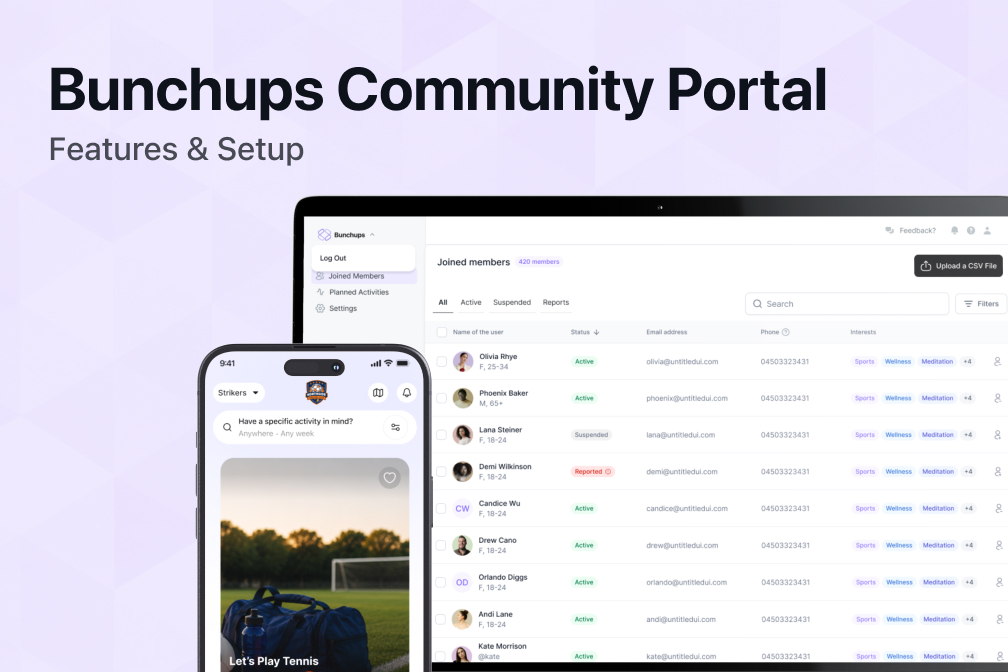
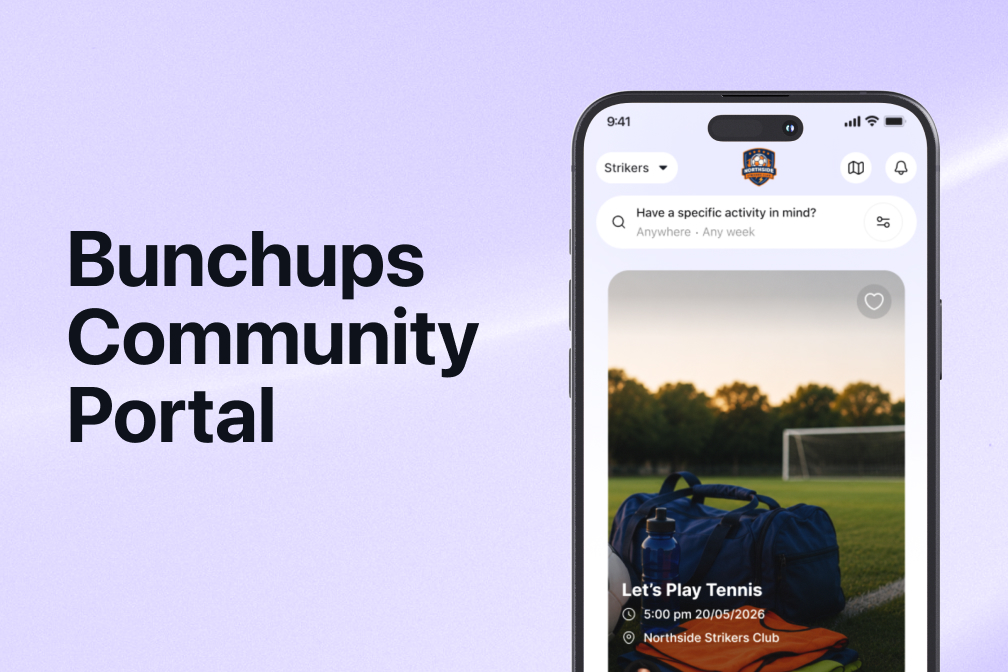
If you prefer relaxed fishing sessions instead of joining huge groups, Bunchups helps you find locals who enjoy shore fishing, jetty fishing, lake fishing, or simple weekend outings, – similar to how it helps people find interest-based friendships and hobby groups in Australia more broadly.
2. Local tackle and bait shops
These shops are community hubs.
Staff know:
- who’s fishing where
- local conditions
- upcoming sessions
- regular customers
Some even have noticeboards for people looking to fish together.
3. Coastal and riverbank community groups
Many councils and local groups organise:
- coastal cleanups
- fishing education days
- environmental programs
Ideal for meeting people with a shared respect for nature.
4. Facebook fishing groups
Active, though they can be overwhelming.
Still great for finding local fishers (start by attending a small meetup rather than a big outing).
5. Workshops and intro classes
Outdoor stores and fishing clubs sometimes run:
- knot-tying workshops
- fishing basics
- kids and family sessions
- “come and try” events
These attract friendly, supportive people.
6. Piers, wharves, and jetties
Some of the best real-world connections happen naturally:
- early morning chats
- asking for advice
- offering bait or help
- sharing a laugh over missed bites
Fishing culture in Australia is friendly by nature.
Matching Fishing Styles: The Types of Anglers
Not every fishing buddy will match your energy - and that’s okay.
Knowing your style helps you find the right person.
The Quiet Relaxer
Loves calm mornings, slow sessions, simple rigs, and thoughtful conversation.
The Early-Tide Chaser
Up before sunrise, checks tide charts nightly, loves prime-time fishing windows.
The Technical Gear Lover
Enjoys discussing rods, reels, knots, rigs, and techniques.
Great teacher; great learner.
The Minimalist
Travels light with simple gear and enjoys spontaneous sessions.
The Foodie Fisher
Loves cooking what they catch - often brings seasoning, foil, or recipes.
The Competitive Angler
Loves challenges, comparing catches, or trying advanced techniques.
Matching styles helps make the experience more enjoyable for both of you.
Safety Tips When Fishing With Someone New
Fishing might look relaxed - but Australian waters demand respect.
Here’s how to stay safe:
1. Always check tides, weather, and swell.
This is crucial for:
- rock fishing
- surf beaches
- estuaries
Conditions can change quickly. State governments and marine safety organisations regularly publish rock fishing and boating safety advice and guidelines. It’s worth following those guidelines before every session.
2. Share your location with someone you trust.
Simple and essential.
3. Meet in public first if it’s your first time fishing together.
A quick coffee or walk near the fishing spot helps you feel comfortable.
4. For rock fishing, wear proper shoes and consider a life jacket.
In some parts of Australia (such as certain NSW rock platforms), life jackets are legally required for rock fishing, always check local rules.
5. Don’t stand too close to edges.
Many rock-fishing accidents happen from unexpected waves.
6. Know your fishing rules.
Each state has different regulations for:
- size limits
- bag limits
- permitted species
- protected marine areas
Respecting these rules keeps everyone safe.
7. Communicate openly about comfort levels.
If someone wants to change spots, go slow, or pack up, honour that.
Safety doesn’t ruin the fun - it protects it.
An Easy, Low-Pressure Way to Meet Your Fishing Buddy
Finding a fishing mate doesn’t require joining a massive group or cold-message strangers online.
Here’s a simple, gentle approach:
Step 1: Decide what kind of fishing you enjoy.
Shore? Jetty? Kayak? Beach? Estuary?
Step 2: Start with one or two small social spaces.
Outdoor stores, community groups, or small meetups.
Step 3: Try a short, low-stakes fishing session together.
A 45-60 minute cast at sunset or dawn is perfect.
Step 4: See if the energy matches.
You want to feel calm, curious, and comfortable.
Step 5: Build a weekly or fortnightly routine.
Fishing friendships grow through consistency, not intensity.
If you’d love fishing buddies who enjoy relaxed, friendly sessions - not loud competitive groups - Bunchups helps you find people nearby who share your fishing style.
Final Thoughts: You Don’t Need a Crowd - Just the Right Mate Beside You
Fishing creates space - space to breathe, to reflect, to laugh, to learn, and to simply enjoy being outdoors. And the right fishing buddy makes those moments warmer, safer, and more memorable.
You don’t need a big group.
You don’t need expert skills.
You don’t need to feel intimidated by gear or terminology.
You just need one friendly person who enjoys being by the water the way you do.
And once you find that person, even the quietest mornings feel fuller.