

How to Make Friends in Uni in Australia: A Realistic Guide for New Students
Starting university in Australia can feel exciting, overwhelming - and surprisingly lonely, even when you are surrounded by people.. Here’s a real, honest guide to making friends in uni without pressure, awkwardness, or unrealistic expectations becoming an extrovert to fit in.
People often say that university will be “the best years of your life,” filled with instant friendships, late-night adventures, and a tight-knit group who becomes your family.
But the truth?
For many students, especially in Australia, the first few months of uni feel overwhelming, isolating, and nothing like the movies.
Some students move from small towns to the big city.
Some shift countries and carry the weight of culture shock.
Some work part-time jobs and run on tight schedules.
Some commute long distances and barely stay on campus outside class.
Some are introverted, anxious, or simply “out of social practice.”
If you’ve started uni and feel lonely - or unsure how friendships even happen here - you’re not alone. You’re not behind. And you’re not doing anything wrong. For context on how common these feelings are across Australia, our guide on loneliness in Australia explains why so many people experience this and why it’s completely normal.
This guide will help you understand why uni friendships take time and how to build them naturally, in ways that feel comfortable for you.
Why Making Friends in Uni Sometimes Feels Harder Than You Expect
There’s a quiet truth about university that rarely gets acknowledged:
everyone arrives hoping to “find their people,” but almost no one knows how.
Australian uni life can feel especially challenging at first because:
Not everyone lives on campus.
Unlike universities in the US or UK, many Australian students commute from home, making campus feel less socially “sticky.”
Schedules are all over the place.
Some people have two days of classes. Others have five. Some study online. Some juggle work shifts. Aligning schedules takes effort.
O-Week feels exciting - then suddenly overwhelming.
Orientation events are great for exploring, but forming meaningful connections in noisy crowds is hard for most people.
Friend groups can form quickly - but not deeply.
Surface-level cliques can appear in the first weeks, leaving others feeling like they “missed the window,” even though real friendships take much longer to evolve.
International students face unique emotional transitions.
For international students, homesickness, cultural differences, accents, humour, and social norms can make everyday conversations feel surprisingly difficult. Our guide on how to make friends in college as an international student in Australia explores these challenges in detail and offers practical ways to navigate them.
All of this creates an environment where making friends is absolutely possible - but it happens slowly, through small patterns and consistent presence rather than instant bonding.
Understanding What University Actually Offers - And What It Doesn’t
Australian universities provide plenty of ways to meet people, but each one works differently depending on your personality, your schedule, and your comfort level.
Uni gives you access to…
- classes with familiar faces
- clubs and societies
- workshops, events, fairs
- study lounges and common areas
- on-campus jobs
- sport and fitness programs
- mentorship or buddy programs
These create opportunities - little sparks of connection.
But here’s what uni doesn’t offer automatically:
Uni doesn’t guarantee instant friendship.
People you meet in week one aren’t necessarily lifelong companions.
Uni doesn’t eliminate social anxiety or shyness.
Even confident people get nervous starting fresh. Getting nervous, feeling a bit overwhelmed, or anxious is normal when you are new to college. and if social situations feel especially challenging, our guide on how to make friends when you have social anxiety offers gentle, practical strategies that actually work for students.
Uni doesn’t match your personality to the “right” people.
Some students love parties; others love quiet cafés. Most guides ignore the second group.
Uni doesn’t build community for you - you build it over time.
Through choices, routines, and showing up in the same spaces repeatedly.
Once you understand this, the pressure lifts.
You stop expecting friendship to be automatic and start letting it happen through gentle consistency.
Choosing Social Paths That Actually Fit Your Personality
Not every student thrives in loud clubs, big events, or chaotic orientation activities. And that’s okay - because uni friendships can grow in countless ways.
If you’re introverted or socially anxious:
Look for smaller environments:
- quiet societies
- book, art, gaming, or writing clubs
- study groups
- campus cafés
- mixed tutorials where discussions are structured
These settings give you natural, low-pressure openings to interact with others as an introvert, you can explore our guide on how to make friends as an introvert in Australia.
If you’re extroverted or love meeting new people:
Orientation events, large societies, hobby clubs, social nights, and group classes will feel energising. If you want ideas for finding activity-based groups that match your interests, you can explore this guide on how to find hobby groups and build interest-based friendships in Australia.
If you commute or work long hours:
You can still build friendships by connecting with:
- classmates
- group project teammates
- people in your major
- small weekend activities
- flexible meetups outside campus
Friendship happens when the environment aligns with your energy, not when you force yourself into spaces that drain you.
A Friendly, Step-By-Step Plan to Build Friendships While Staying Grounded
You don’t need to “become social” overnight.
Think of friendship-building at uni as a series of soft steps, not a single leap.
Step 1: Start with familiarity, not intensity.
Say hello to the same people in your classes. Sit near them. Ask how their week is going.
Friendships often begin with nothing more than gentle repetition.
Step 2: Use your interests as the foundation.
Join one club or society that genuinely matches who you are - not who you feel pressured to be.
Step 3: Create one weekly routine that involves being around others.
It could be a fitness class, a study meetup, a hobby, or even a regular spot on campus.
Step 4: Follow up in small but meaningful ways.
A simple “Hey, I’m heading to the café if you want to join” can shift acquaintances into emerging friends.
Step 5: Be patient - uni friendships unfold over weeks, not days.
The best ones grow slowly and steadily.
How to Handle Loneliness, Rejection & Adjustment When Things Feel Tough
It’s completely normal to experience emotional dips during your first semester - even months later.
If you feel lonely:
Remember this: almost every student feels the same, even the ones who look confident from far away. Loneliness isn’t failure - it’s transition.
For a broader lens, you can read this article on loneliness in Australia which shows how widespread these feelings are.
If you feel rejected or left out:
Friendships shift constantly at uni. The people you meet in week one are rarely your long-term circle. There’s always room to meet new people.
If you feel socially exhausted:
You’re adjusting to new surroundings - rest is part of the process. Pushing too hard makes socialising harder, not easier.
If you’re an international student feeling disconnected:
Cultural differences are real, and that’s okay. It can take time to find people who appreciate your background and rhythm - but they exist.
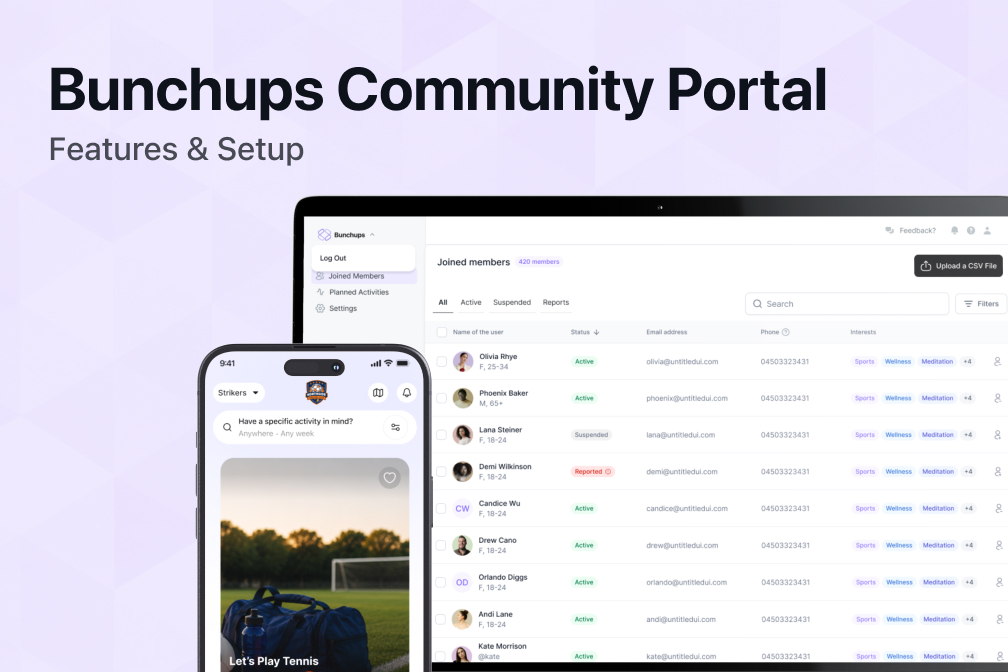
You can connect with other newcomers through uni programs or platforms like Bunchups and explore the city together. Our guide on exploring Australia’s museums as a newcomer shows how simple shared activities can help you meet people in a new place.
If you’re balancing study, work, and home life:
Your pace may differ from others, but you can still form friendships through smaller, intentional touchpoints.
Uni life isn’t about keeping up with everyone else - it’s about finding your own rhythm.
Building Friendships That Last Beyond Assignments & Semesters
Some uni friendships are casual - study group friends, tutorial buddies, project partners.
Others grow slowly into deeper bonds.
To nurture the friendships that matter:
Create small traditions together.
Weekly bubble tea. Friday coffee. Study sessions. Mini rituals build long-term connection.
Stay in touch between semesters.
Send a message during breaks. Share a meme. Check in before a new term starts.
Balance effort with space.
Students are busy; friendships don’t need constant contact to stay meaningful.
Lean into shared interests, not shared convenience.
The best friendships are built around compatibility, not proximity.
If you’d like ways to keep your social life growing outside of campus - especially in small groups or activity-based settings - Bunchups can help you meet people who enjoy the same interests you do.
Final Thoughts: You’re Not Behind - You’re Just Beginning
There is no “right way” to make friends at uni.
Some people find their group quickly; others take months. Some form one close friendship; others build a wide circle. All paths are valid.
What matters is that you give yourself enough time to settle, adjust, breathe, and slowly open up to new people, at your own pace.
You don’t need to be the loudest, the most confident, or the most outgoing person on campus to build meaningful friendships.
You just need small moments of connection - repeated over time - with people who make you feel seen.
And that is absolutely within reach.