

How to Make Friends When You Work From Home in Australia - A Realistic Guide
Working from home can feel isolating - but rebuilding a social life in Australia is possible with the right habits, routines, and small-group activities. Here’s a practical, psychology-backed guide to making friends as a remote worker.
Working from home sounds like a dream - until you realise how quiet the days feel.
No office buzz. No corridor chats. No after-work plans.
Just your laptop, your to-do list, and the slow realisation that you haven’t spoken to anyone outside of a meeting link.
If this feels familiar, you’re not alone. Remote work has transformed how Australians live, but it has also quietly reshaped how we socialise.
A 2023 AIHW report showed that one in three Australians experience loneliness, and remote workers are among the groups most affected. Another Australian survey found increased feelings of disconnection due to fewer daily interactions, fewer social cues, and fewer opportunities to naturally form connections.
The good news?
There are ways to rebuild your social life - ways that fit around flexible schedules, varied energy levels, and the reality of modern Australian lifestyles.
This guide is here to help you find your footing again.
Why Remote Work Can Make You Feel Disconnected
Working from home doesn’t just remove office distractions - it removes the micro-interactions that used to fill your social tank without you even noticing.
Things like:
- chatting about weekend plans
- walking to grab lunch
- seeing familiar faces in the hallway
- spontaneously joining after-work events
These small, everyday social moments acted like glue. They held the structure of your social life together.
Remote work takes all of that away. Not because anything is wrong with you - but because the environment no longer supports casual, low-pressure connection.
Instead, friendship now requires intention.
And that shift feels uncomfortable for many.
What Australian Data Tells Us About Remote Work & Loneliness
A few years ago, work-from-home was a novelty. Now it’s part of the national workplace landscape.
But this shift has changed our social rhythm in ways we’re still adjusting to.
- The AIHW reports higher levels of social isolation among adults who work primarily from home, partly due to reduced daily interaction.
- ABS data, including insights from the Working Arrangements release indicates a drop in regular community participation since remote work became more widespread.
- A 2023 ABC Everyday feature which explored loneliness among remote and hybrid workers noted an increase in remote workers reporting loneliness and difficulty maintaining social routines
These aren’t just statistics - they reflect the invisible impact remote work has on connection, identity, belonging, and emotional stability.
When the workday ends, many remote workers feel a sudden “social vacuum” that wasn’t there before.
The Hidden Costs of Social Isolation for Remote Workers
If you’ve been working from home for more than a year, you may already feel some of these effects.
1. Emotional fatigue
Isolation can make even simple tasks feel heavier because you don’t have the psychological release that comes from casual human contact.
2. Reduced confidence in social situations
Without daily practice, social skills feel rusty - which makes reengaging feel harder.
3. Blurred boundaries
Remote work merges personal and professional space, leaving little room for social energy outside of work.
4. Fewer natural friendship-making environments
Adults usually make friends through work - so losing that environment removes a major social pipeline. That’s one reason Bunchups exists: to recreate those “built-in” opportunities for connection in a more intentional, interest-based way.
Understanding these patterns is the first step toward changing them.
Why Traditional Friendship Advice Doesn’t Work for Remote Workers
You’ve probably heard the usual ideas:
- Join a club
- Go to events
- “Just put yourself out there!”
- Volunteer
These aren’t wrong - but they’re not built for remote-work life.
Most remote workers:
- are tired after screen-heavy days
- don’t want to attend loud events
- prefer meaningful interactions over big social gatherings
- need socialising that fits around flexible work hours
- want genuine connection, not forced networking
Remote workers need a different approach - one that feels natural, manageable, and aligned with how adults actually live now.
This is where one-on-one or small-group, interest-based activities make all the difference.
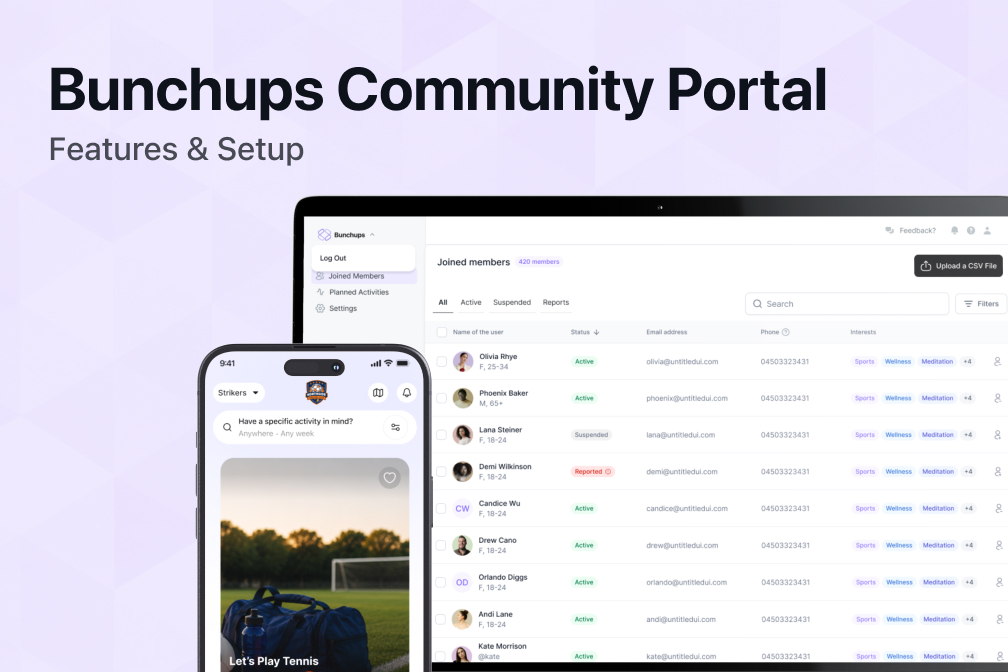
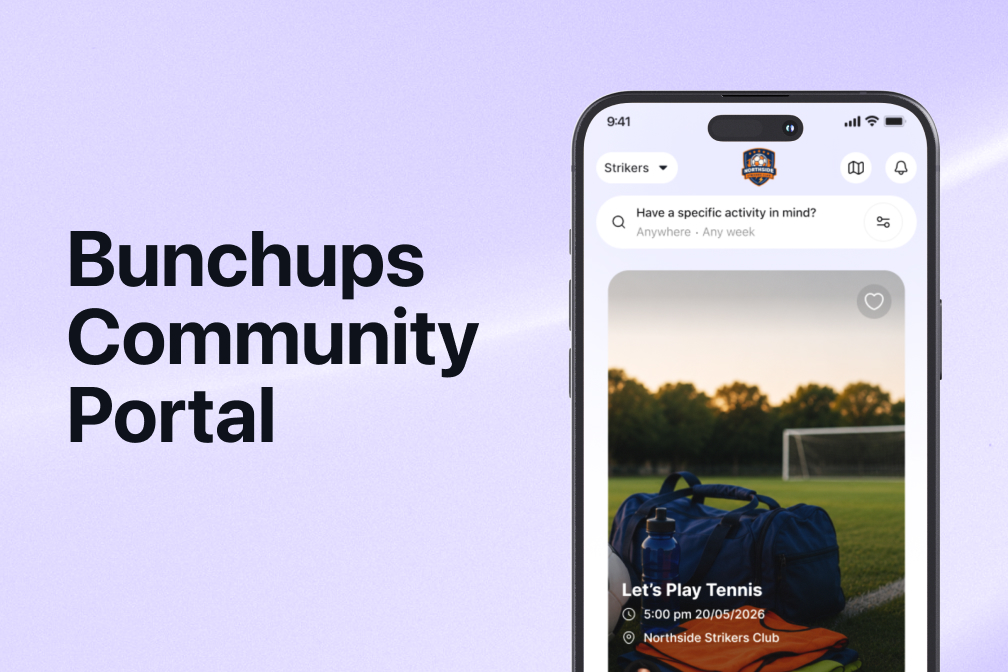
If you prefer meeting people in relaxed, activity-first ways - like walks, coffee, or creative workshops - you can download Bunchups to join small meetups happening in your area. It’s designed for friendly, low-pressure connection that fits perfectly around remote-work schedules.
A Toolkit for Remote Workers: Simple Habits That Rebuild Your Social Life
Rebuilding social connection doesn’t require a personality overhaul.
It requires small, manageable habits repeated consistently.
Here’s how to start:
1. Introduce intentional “out-of-house time” into your week
Remote workers often underestimate how rarely they leave the house.
Even a single weekly routine can shift your entire social rhythm:
- a morning walk along the coast or the local park
- a weekly café ritual
- a Thursday co-working session
- a weekend farmer’s market
- a class you attend every Saturday
These micro-routines expose you to familiar neighbourhood places and faces - the foundation of all friendships. You can explore more ideas for building local connections in this guide: How to Explore Your Neighbourhood and Build Local Connections.
2. Choose low-pressure environments where conversation flows naturally
Some environments are made for easy interaction:
- pottery or creative workshops
- fitness classes
- running or walking groups
- small book clubs
- board game nights
- study or productivity meetups
- interest-based community groups
These are ideal for remote workers because they provide structure, conversation starters, and a shared focus. If you’re not sure which activity suits you, you can explore options here: How to Find Hobby Groups and Build Interest-Based Friendships in Australia.
3. Use your flexibility as an advantage
Remote work gives you a superpower: time-shifting.
While others are commuting, you can:
- join a mid-morning social class
- attend a 3 pm workshop
- take a lunch-hour walking meetup
- join a weekday creative group
These off-peak times attract people who enjoy calmer social environments - which makes connection easier.
4. Build a simple weekly social rhythm
Think in terms of one or two recurring activities:
- one interest-based meetup
- one casual social moment (coffee, walk, class)
Routine reduces effort and builds consistency. You’re not trying to be social every day, just steady.
5. Follow up with people who feel comfortable to talk to
Many remote workers hesitate here because it feels forward. But it doesn’t need to be complicated:
“Hey, I might do the Tuesday class again next week. Want to join?”
Connection grows from simple, natural follow-ups.
Match the Way You Socialise to Your Personality & Energy
Not all remote workers are alike.
Your social habits should reflect your real energy - not someone else’s.
If you're introverted:
Choose calm, structured, or quiet interest-based activities.
You don’t need to force high-energy environments to build a social life. For more guidance, here’s a helpful breakdown on how to make friends as an introvert in Australia.
If you're extroverted:
Choose dynamic, social activities where you can meet multiple people in one setting: group fitness, active sports, dance classes, social events.
If you're exhausted after workdays:
Go for short, low-commitment activities:
- walks
- coffee meetups
- creative mini-workshops
Short social bursts help you rebuild energy instead of draining it.
If your routine changes each week:
Choose flexible communities where events happen often.
Bunchups is perfect for this - it lets you drop into activities whenever your schedule opens up.
If your schedule is unpredictable, the Bunchups app makes it easy to join one-on-one or small meetups that match your interests whenever you have free time.
A Realistic Weekly Plan for Remote Workers in Australia
Here’s an achievable pattern anyone can follow - no matter your personality type.
Monday:
Work from home → evening walk to decompress → say hello to familiar regulars.
Tuesday:
Join one interest-based activity you enjoy (fitness class, creative group, walking meetup).
Thursday:
Co-working session or quiet café work block (you’ll naturally meet other remote workers).
Saturday or Sunday:
Your main social activity: a class, a meetup, a hike, or a creative workshop - something you can look forward to all week.
Any day:
Repeat one activity weekly - repetition builds familiarity and comfort.
This isn’t about being social every day.
It’s about weaving gentle human connection into your existing routine.
Final Thoughts
Working from home reshapes your lifestyle - but it doesn’t have to shrink your social world.
Many Australians are in the same situation, navigating flexible schedules and remote setups that provide convenience but often lack connection.
The way back to social confidence isn’t through big events or forced extroversion.
It’s through small, meaningful activities, repeated weekly, with people who enjoy the same things you do.
Your social life doesn’t need to look like it did before remote work.
It can look more intentional, more aligned with who you are, and more fulfilling.
You just need the right spaces - and the right people.