

How to Make Friends in Australia Through Local Activities (Real-Life Steps)
Looking for practical ways to make friends in Australia? Here’s how to build real social connections through everyday activities, small meetups, and interest-based routines - no awkward big events required.
Making friends as an adult is hard enough - making friends in Australia, where cities are spread out and everyone lives busy, independent lives, can feel even harder. If you’ve ever tried joining clubs, attending big events, or pushing yourself into crowded social settings only to feel overwhelmed, you’re not alone.
Research from the Australian Institute of Health and Welfare shows that one in three adults report a lack of companionship, and a major reason is the decline in “built-in” social circles such as neighbours, extended family, and workplace communities (Source: AIHW, 2022 Social Isolation Overview).
But here’s the encouraging part:
You don’t need massive events, high social energy, or a huge network to make friends.
You just need small, repeatable, interest-based activities.
This is where Australians naturally build friendships - not through forced socialising, but through simple routines, shared interests, and small groups that make it easy to connect.
This blog is your practical, step-by-step guide to doing exactly that.
Why Traditional Friendship Advice Doesn’t Work for Most Adults in Australia
Most articles say things like:
“Join a club.”
“Put yourself out there.”
“Attend community events.”
“Talk to strangers.”
But in real life, adults struggle with that for four main reasons:
1. Big Groups Feel Intimidating
Australia is warm and friendly socially - but most adults prefer small, low-pressure interactions over big nights out or large clubs.
Social energy varies widely, and overwhelming environments don’t help
2. Cities and Suburbs Are Spread Out
Unlike compact European cities, Australian cities are geographically wide. People often live:
- 30 minutes from their workplace
- up to an hour from friends
- in suburbs where foot traffic is low
This creates an unintentional barrier to spontaneous friendship and explains why so many people are turning to interest-based groups and local hobby communities instead, something we break down in detail in our guide on how to find hobby groups and build interest-based friendships in Australia.
3. Adults Don’t Automatically Make New Friends Through Routine
Once you’re out of uni or early career stages, your routine becomes predictable:
home to work to errands to home.
Without intentional effort, there aren’t many new touchpoints.
4. Most People Want “Activity-First,” Not “Forced Conversation”
Australians tend to bond better through doing something rather than trying to make conversation from scratch. Walking, grabbing a coffee, exploring a market, or learning a skill together creates organic connection.
This is why local activities are one of the easiest ways to make friends.
Where Friendships Actually Start in Australia (Based on Real Behaviour)
Not in clubs.
Not in loud bars.
Not in giant meetups.
Instead, friendships grow from small, local, shared routines.
Below are the places where Australians naturally connect.
1. Community & Council Spaces
These are low-pressure, inclusive, and accessible:
- community centres
- local libraries
- creative workshops
- council-run classes
- local volunteering initiatives
- weekend markets
- dog parks
- neighbourhood cafés
These spaces create what psychologists call “repeated proximity”, one of the strongest predictors of natural friendship formation (Source: Journal of Personality and Social Psychology).
If you’re not sure where to start, you might like our guide on exploring your neighbourhood and building local connections
2. Interest-Based Social Activities
Australians respond well to shared experiences.
Some great places to start:
- pottery or art studios
- fitness or pilates sessions
- running or walking groups
- book clubs
- coastal walks
- structured hobby sessions (photography, painting, gardening, etc.)
- trivia nights
- beginner workshops
Shared interest = zero awkwardness.
3. Outdoor Activities (One of Australia’s Biggest Social Anchors)
Thanks to Australia’s outdoor lifestyle, some of the easiest places to meet people are:
- beaches
- hiking trails
- parks
- nature walks
- weekend markets
- outdoor fitness classes
It feels natural, casual, and pressure-free.
4. Co-Working Spaces & Remote Worker Communities
With more Australians working from home than ever before (ABS Labour Force Data, 2023), co-working hubs and remote-worker meetups have become growing social hubs. Recent ABS data shows that around 37% of employed people regularly worked from home in 2023.
These places work well because people meet:
- through shared routines
- at coffee machines
- during community lunches or events
- at casual desk-neighbour conversations
5. Skill-Based Classes & Workshops
People attending skill classes are naturally open to meeting new people:
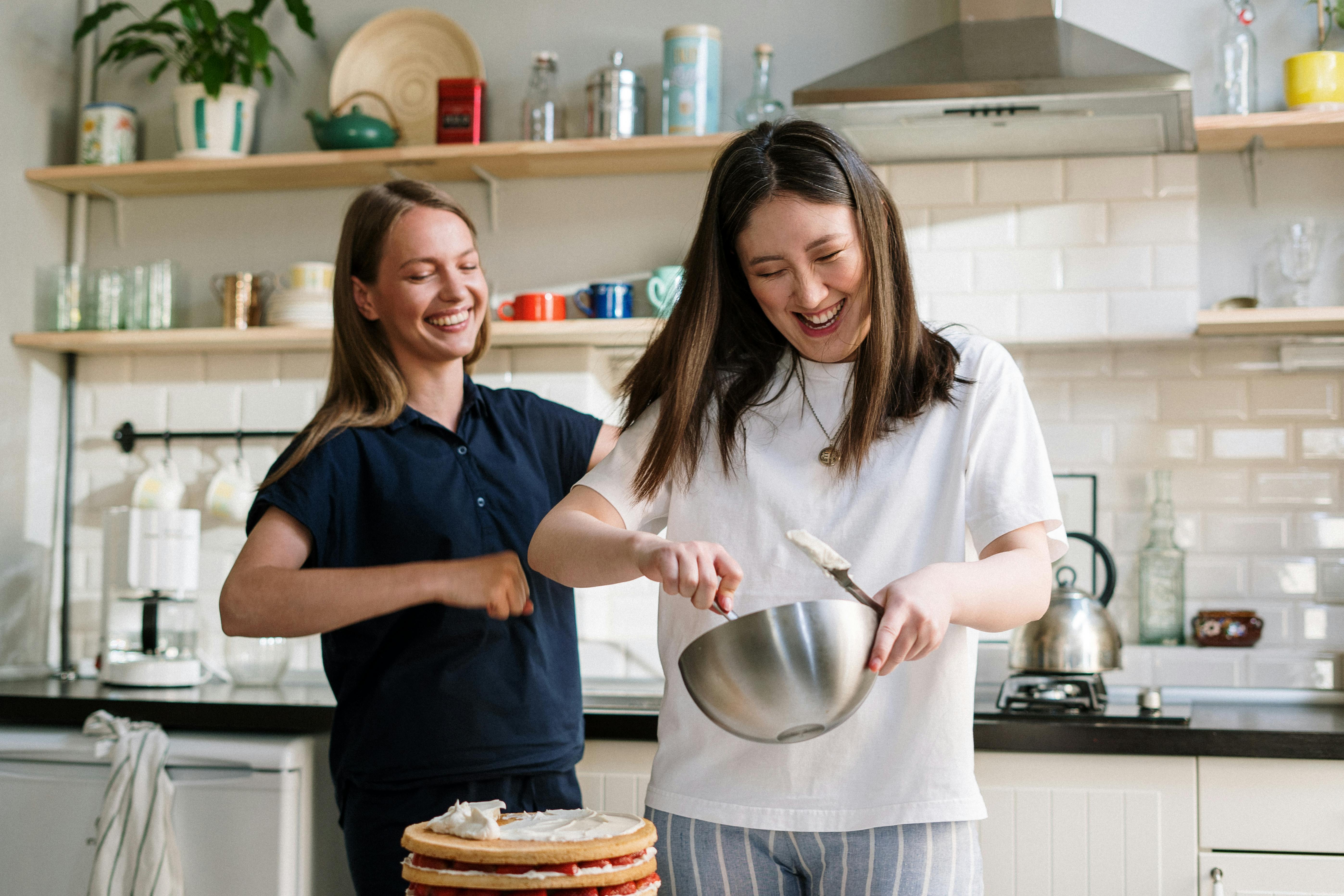
- cooking classes
- dance classes
- pottery sessions
- painting workshops
- language classes
- woodworking
- photography courses
Skill-based environments remove pressure because the activity drives the interaction.
How to Build Friendships Through Local Activities: A Step-by-Step Guide
This is the part most blogs skip - the real-life, practical how.
Here’s a structured way to build friendships using activities and interest-based meetups.
Step 1: Choose 2 Anchor Activities (Not 10)
Anchor activities are weekly rituals you can stick to:
- Tuesday yoga
- Saturday coastal walk
- Thursday gym class
- Weekend pottery class
These become predictable social touchpoints.
Choosing too many leads to burnout; two is perfect.
Step 2: Return to the Same Places Weekly
Friendships grow from repetition.
Your first visit feels unfamiliar.
Your second visit feels comfortable.
Your third visit feels like you’re part of something.
When the same people see you repeatedly, comfort builds naturally. If you’ve just moved, check out these tips on how to make friends in a new city (Australia edition) so you’re building routine and connection at the same time.
Step 3: Join Small Groups (3-4 People)
Small groups create:
- less pressure
- easier conversation
- better safety
- more connection
- less social fatigue
This is why small-group formats outperform large gatherings for social success.
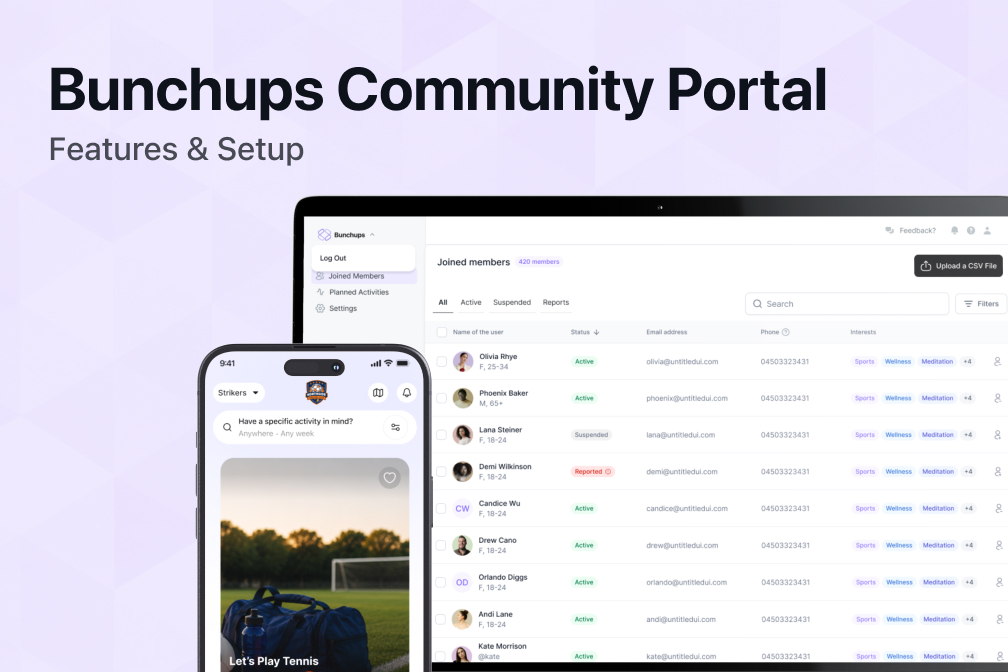
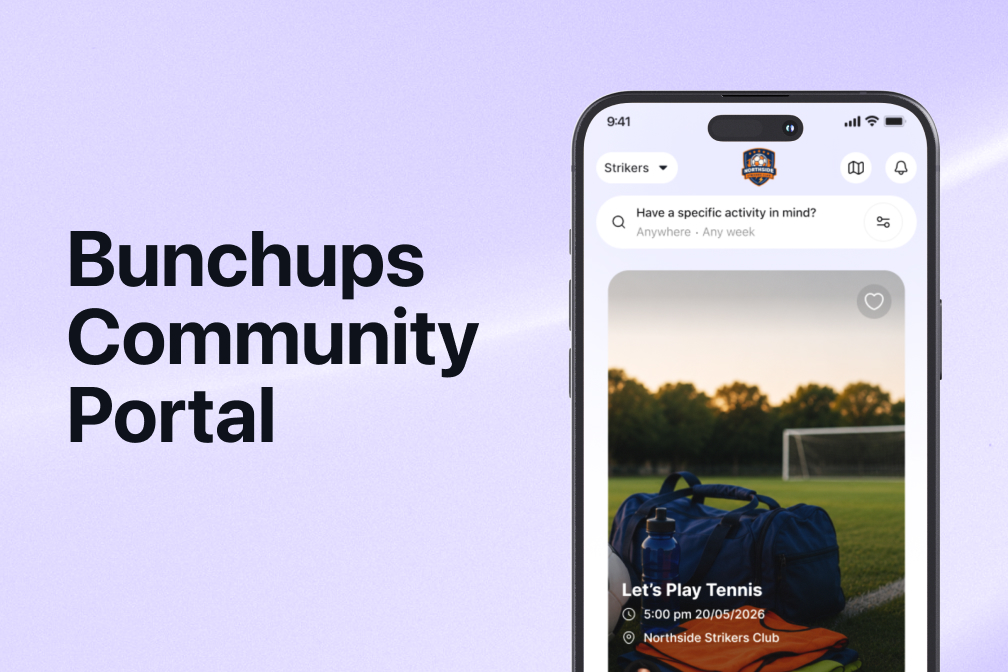
You can join small-group hangouts or start your own through Bunchups - it removes the pressure of organising or meeting large groups.
Step 4: Use Activity-Based Openers (Not Small Talk)
Instead of generic questions like:
“Where are you from?”
Try activity-related openers:
- “How long have you been doing this class?”
- “Do you know if they run sessions on weekends?”
- “Have you tried any other good classes nearby?”
These feel natural and specific.
Step 5: Follow Up Once Comfort Exists
Friendships become real when you move from shared space → shared activity.
Examples:
- “I usually do the Saturday walk too - want to join next time?”
- “There’s a pottery workshop next week, want to come?”
- “We’re grabbing coffee afterwards if you want to join.”
Not pushy. Just natural.
Step 6: Match Your Activity to Your Personality Type
Here’s the part most guides miss - not every activity suits every personality.
For introverts / socially anxious people:
- book clubs
- pottery
- walking meetups
- board game nights
- small workshops
If social anxiety makes meeting people feel overwhelming, this guide on how to make friends when you have social anxiety breaks down gentle, practical steps to ease into social situations.
For outdoorsy people:
- coastal walks
- hikes
- fitness classes
- kayaking groups
For people who prefer structure:
- weekly classes
- gym programs
- educational workshops
For remote workers:
- co-working socials
- midweek coffee meetups
For busy professionals:
- early-morning classes
- lunchtime walks
- short weekend sessions
This makes friendship-building feel natural rather than forced.
Step 7: Create a 30-Day Social Habit Plan
A simple routine for the first month:
- Week 1: Attend two new activities
- Week 2: Repeat both activities
- Week 3: Start one conversation per activity
- Week 4: Follow up with one person you felt comfortable with
This structure works because it uses consistency.
What Makes Australia Unique for Friendship Building?
Most countries rely on spontaneous socialising.
Australia relies more on intentional activity-based connection.
Reasons:
- cities are spread out
- social culture is friendly-but-private
- adults prefer doing activities, not “cold socialising”
- outdoor lifestyle encourages shared experiences
- community spaces are accessible and diverse
This is why activity-first friendships work so well here.
The Psychology Behind Activity-Based Friendship
Studies show that shared activity boosts:
- oxytocin (bonding)
- social trust
- comfort
- familiarity
- openness
And reduces:
- social pressure
- awkward conversation
- fear of judgment
This is why “doing something together” leads to stronger friendships than “talking to strangers”.
Final Thoughts: Small Activities Lead to Big Connections
You don’t need to attend huge events or adopt an outgoing personality.
You just need:
- small activities
- consistent habits
- the right social environments
- interest-based variety
- low-pressure opportunities
- a supportive platform to help you get started
Connections grow from simple, everyday moments - repeated, shared, and genuine.
If you can show up consistently, you will meet your people.