
Why Is It So Hard to Make Friends in Australia? (And What Actually Helps)
Making friends in Australia can feel surprisingly difficult. Here’s why - and the simple, research-backed ways to build real friendships through everyday activities, local routines, and small-group meetups.
If you’ve ever wondered why making friends in Australia feels harder than it should, you’re not imagining it.
Whether you grew up here or moved recently, many adults feel stuck between wanting deeper friendships and not knowing where to begin.
A recent overview from the Australian Institute of Health and Welfare notes that a large share of Australian adults report feeling isolated or left out at least some of the time, even when they have regular contact with others (Source: AIHW – Social cohesion and social connection)
This isn’t just a personal challenge – it’s a national one.
But before we dive into how to fix it, it’s worth understanding why making friends here can feel so tough in the first place.
The Hidden Reasons Friendship Feels Hard in Australia
Most of the difficulty has nothing to do with personality or confidence. It has everything to do with lifestyle, environment, and the way modern Australian cities function.
Here are the real factors that make adult friendship genuinely challenging - and why you’re not alone in feeling this way.
1. Australia’s Cities Are Extremely Spread Out
Australia’s major cities - Sydney, Melbourne, Brisbane, Perth, Adelaide - are geographically wide. People often live:
- 20-45 minutes from their workplace
- 30-60 minutes from friends
- across suburbs with limited casual foot traffic
This naturally reduces spontaneous social interactions.
In countries with dense cities, friendships form through repeated micro-interactions: seeing the same people at cafés, parks, public transport, shops.
Australia’s spread-out layout makes those moments less common and puts more pressure on you to actively create connection.
If you’ve ever felt that “everyone is busy in their own bubble”, that’s partly the geography talking.
2. Australians Are Friendly - But Socially Low-Pressure
Australia is known for being warm and relaxed, but culturally, people don’t typically initiate beyond surface-level interactions unless they have a reason.
It’s friendly, but not overly forward.
Warm, but not intrusive.
So even when people want to make new friends, no one wants to “bother” anyone - which means friendships often need intentional effort from both sides.
This is one reason why activity-based or interest-based hangouts work so well here – they give people a “reason” to talk beyond small talk.
3. Remote Work Has Reduced Everyday Social Contact
ABS Labour Force data shows that more Australians are working from home now than at any point in the last decade (ABS Labour Force, 2024).
This means:
- fewer spontaneous work friendships
- fewer lunch break conversations
- fewer office social circles
- more social isolation overall
Friendships that used to form through daily workplace contact now need new spaces to grow - especially for remote workers and freelancers. If you relate to this, you may find this guide on how to make friends when you work from home in Australia incredibly helpful for building connection through intentional, everyday routines.
4. Adults Are Busy - Really Busy
Between long commutes, early starts, childcare, household responsibilities, and unpredictable work demands, adults often struggle to carve out social time.
It’s not that people don’t want friendship - it’s that they’re exhausted.
5. People Move Frequently Between Cities and Suburbs
Moving to a new city or suburb breaks existing social circles, and Australia sees a high level of internal migration.
When people move often, friendships reset - leaving adults in a constant cycle of having to rebuild connection from scratch.
If you’ve recently relocated, you might find some helpful tips here.
6. Post-Uni Social Circles Fade Quickly
For many Australians, the last major phase of natural friend-making is:
- high school
- university
- first few jobs
After this period, people enter more independent routines, careers, relationships, and family stages.
This causes natural drift, which leaves adults with fewer “built-in” opportunities to meet new people.
7. Many Adults Feel Socially Out of Practice
If you haven’t made new friends in years, the process can feel:
- awkward
- unfamiliar
- high-effort
- unpredictable
This creates hesitation - even though most people are feeling the same thing.
What Australian Research Says About Friendship & Loneliness
Understanding the data helps us see the bigger picture - this isn’t just a personal struggle, it’s a social reality.
Here are key findings:
1. Loneliness is widespread
National overviews of social connection in Australia show that a significant proportion of adults report feeling isolated or left out at least some of the time, and many say they lack companionship often enough for it to affect wellbeing (Source: AIHW – Social cohesion and social connection).
Loneliness is widespread but very few people talk about it. Loneliness is widespread, but very few people talk about it, which is why guides like ‘Loneliness in Australia: The Part No One Talks About’ are so important for understanding how common (and normal) these feelings actually are.
2. Social participation is declining
ABS and other national studies show that traditional community participation has changed. Fewer people are engaged in formal clubs and regular community events compared to previous decades but many are now looking for more flexible, informal ways of connecting (like casual groups, pop-up gatherings, and local meetups).
That’s exactly where small-group and interest-based formats shine.
3. Australians prefer familiar, low-pressure environments
McCrindle’s “Future of Social Connection” study found that people feel most comfortable meeting others through:
- shared activities
- small groups
- learning or creative environments
- interest-based communities
This aligns perfectly with modern, activity-first friendship building.
4. Friendships take time
According to the ABC’s Australia Talks survey, it takes Australians 40-60 hours of interaction before a person begins to feel like a friend.
This is why consistency, not intensity, is key.
It’s less about one incredible night out and more about 5–10 smaller hangouts over time.
What Actually Helps: Practical, Real-Life Ways to Make Friends in Australia
Now that we know what makes things hard, let’s look at what genuinely works.
These approaches are grounded in psychology, Australian lifestyle patterns, and real-life social behaviour. If you’re looking for more step-by-step support after this, posts like How to Find Hobby Groups and Build Interest-Based Friendships in Australia go deeper into the practical side.
1. Build Connection Through Local Activities (Not Big Events)
Most adults don’t thrive in large, high-energy gatherings.
What works better:
- group walks
- pottery workshops
- coffee catchups
- book clubs
- trivia nights
- social sports
- beach mornings
- creative classes
These create shared experiences, not forced conversation.
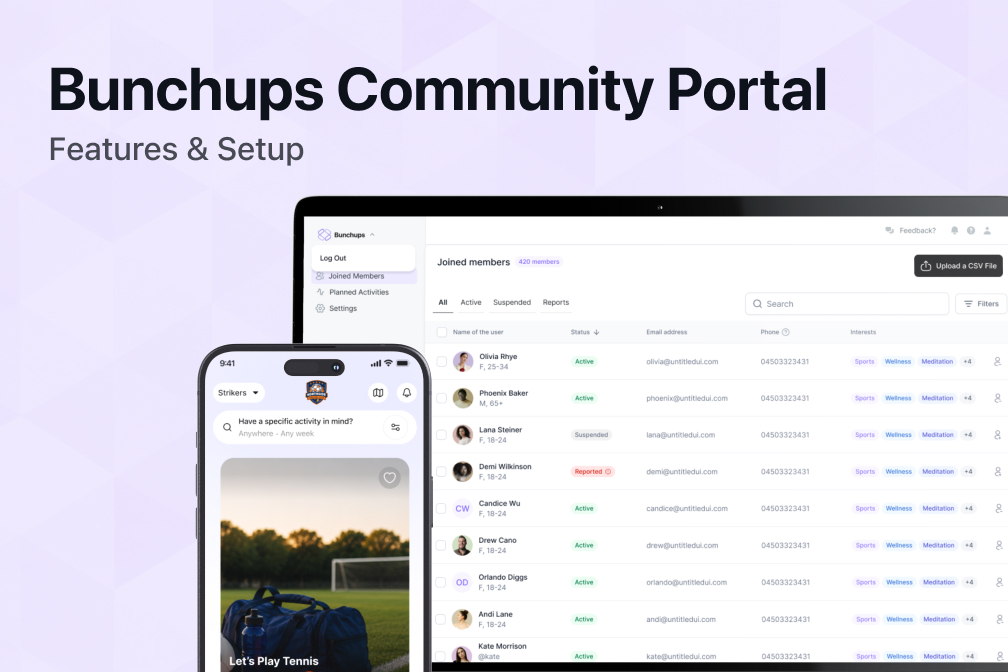
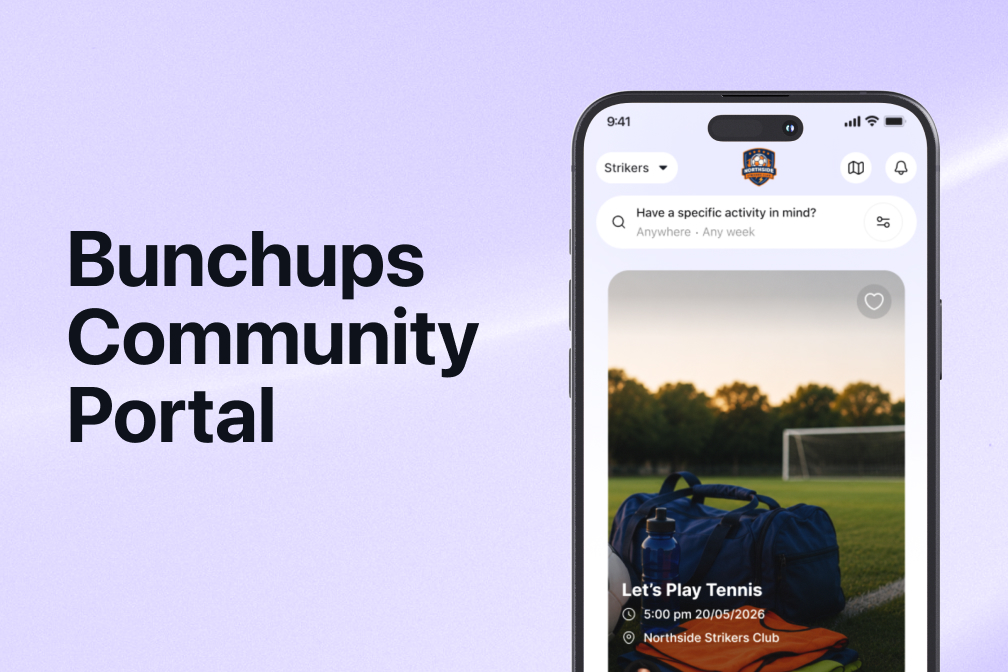
If you're looking for low-pressure ways to meet people nearby, you can download the Bunchups app to join or plan one-on-one or small, interest-based meetups in your suburb.
2. Repeat the Same Activities Weekly
Your first time at a class or meetup feels unfamiliar.
Your second time feels comfortable.
Your third time feels like you belong.
Repeated proximity is the strongest friendship-building mechanism we have.
If you need inspiration for where to start, here are some ideas on fun activities that translate well to most Australian cities and suburbs to help them connect with others nearby.
3. Choose Small Groups - They Are the Secret Weapon
Small groups (3-4 people):
- remove pressure
- make conversation easier
- feel safer
- allow quieter personalities to participate
- create instant connection through shared activity
This is where meaningful friendships grow.
4. Use Interest-Based Context to Start Conversations
Instead of generic small talk, try activity-specific openers:
- “Have you done this class before?”
- “Any other good workshops in this area?”
- “Do you usually come to the Tuesday session?”
This feels natural, not forced and gives the other person something easy to respond to.
5. Join Environments With Regular Routines
Places where people show up consistently:
- gyms or fitness classes
- community markets
- co-working spaces
- weekend walking groups
- creative studios
- libraries
- dog parks
- local cafes
Routine builds familiarity.
Familiarity builds comfort.
Comfort builds friendship.
6. If You're Introverted, Choose Low-Energy Activities
These tend to work well:
- book clubs
- café meetups
- small creative classes
- walking groups
- game nights
- quiet social spaces
Friendship doesn’t require high energy - just shared intention. For more detail on this angle, you can read How to Make Friends as an Introvert in Australia which breaks things down step-by-step for introverts and socially anxious people.
7. If You're a Busy Professional, Integrate Friendship Into Your Schedule
Try:
- lunch-break walks
- early morning classes
- post-work cafés
- weekend micro-hangouts
Small pockets of time can become meaningful connection opportunities, especially if you make them part of your weekly rhythm instead of one-off events.
8. If You Work From Home, Expand Your Social Radius
WFH reduces your daily social exposure.
Counterbalance it with:
- co-working sessions
- midweek coffee catchups
- local walking meetups
- hobby-based workshops
You’ll meet others in the same stage of life.
9. Follow Up with One Person You Felt Comfortable With
Friendships form through small follow-ups.
Examples:
- “I’m going to the Saturday class again-want to join?”
- “A few of us grab coffee after the walk, you’re welcome too.”
Simple, natural, no pressure.
Why Local Activities Work Better Than Big Events (According to Research)
Several psychological principles explain why:
✔ Shared activity reduces social anxiety
Doing something meaningful reduces self-focus and overthinking.
✔ Small groups create safety and trust
Humans build rapport faster in groups below 6-8 people.
✔ Repetition builds familiarity
Seeing the same people repeatedly increases comfort and bonding.
✔ People open up faster when there’s structure
A workshop, class, or planned activity provides:
- a topic
- instructions
- shared goals
- a natural flow
This removes the pressure to “perform socially.”
✔ Activity-based environments feel more inclusive
People of all ages, backgrounds, and personality types can join - without feeling out of place.
If you prefer meeting people through real-life activities rather than awkward introductions, Bunchups helps you find one-one-one or small hangouts that match your interests
A Step-by-Step Plan to Build Friendships in Australia
Here’s a practical 30-60 day roadmap to make this real.
Week 1: Choose 2-3 activities you enjoy
Not based on what’s popular - based on what aligns with your interests.
Week 2: Attend both activities again
Repetition creates comfort (for you and for the people seeing you).
Week 3: Start one short conversation at each activity
Use simple, activity-based openers.
Week 4: Follow up with 1-2 people you clicked with
Invite them to a repeat session.
By Week 6: You’ll have the beginnings of real connection
This is a sustainable, introvert-friendly, modern approach to adult friendship.
Final Thoughts
Making friends in Australia isn’t easy - not because you’re doing anything wrong, but because the modern lifestyle, city layout, and adult routines don’t naturally create opportunities for connection.
But when you shift from “trying to make friends” to “joining small, local activities consistently,” everything becomes easier.
Connection grows from shared experiences, comfort builds from repetition, and friendship forms through small, simple moments repeated over time.