
How to Find Trek Buddies in Australia: From Day Hikes to Longer Trails
Looking for a trek buddy for day hikes or multi-day trails in Australia? Here’s a safety-first, compatibility-focused, beginner-to-intermediate guide to finding reliable trekking partners - without awkwardness or big groups.
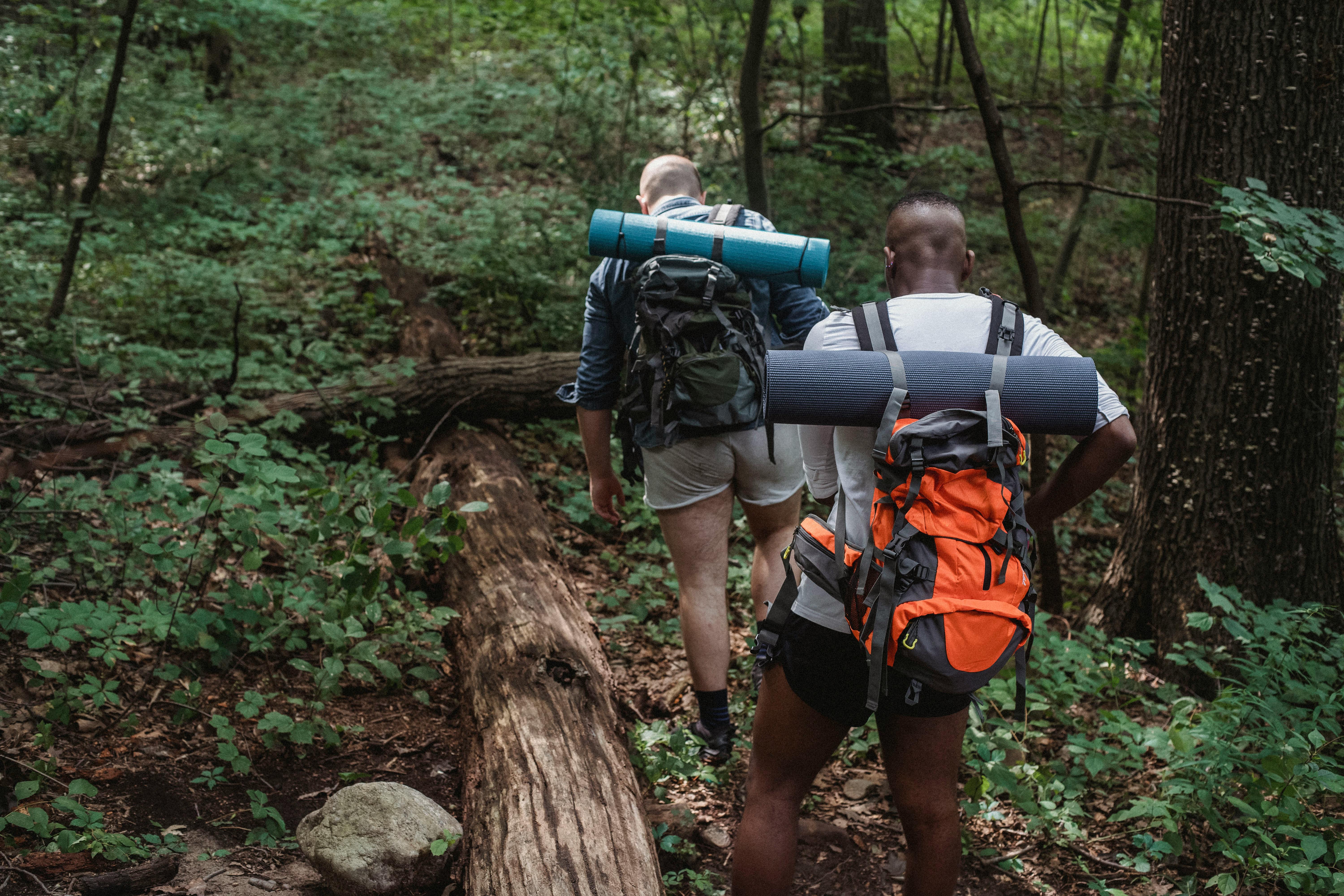
Trekking in Australia is a completely different experience from a casual weekend stroll. Multi-day trails, changing weather, remote terrain, long distances, sunrise starts, shared gear, and the emotional highs and lows that come with covering 15-25 km a day - it all requires someone you trust.
A trek buddy isn’t just “someone to walk with.”
They’re your partner in endurance, safety, decision-making, and enjoying the journey.
Whether you’re moving from day hikes into longer trails, preparing for your first overnight trek, or dreaming of a bucket-list route like the Overland Track or the Larapinta, this guide will help you find the right person to share the journey - safely, calmly, and at your pace.
Trekking vs. Hiking - Why a Trek Buddy Matters Even More
Hiking is usually a single-day adventure.
Trekking is different: it’s multi-day, slower, and requires consistency, resilience, and teamwork.
Here’s why having the right trek buddy matters so much in Australia:
1. The stakes are higher.
Longer distances + unpredictable terrain + remote areas = increased risk.
Australia’s treks often take you far from towns, mobile reception, and water sources.
2. You need shared endurance.
Pace, stamina, and energy levels matter more when you’re walking for hours - across multiple days.
3. Weather changes quickly.
Heat spikes, cold nights, strong winds, or sudden rain can transform a trek.
Two people make safer decisions than one.
4. Campsite routines require coordination.
Tent setup, cooking, water collection, and planning the next day’s route all work better with a partner.
5. It’s emotionally easier.
Trekking can be mentally demanding - steep climbs, long days, and quiet stretches of trail.
Having someone to talk to (or enjoy the silence with) makes the journey richer.
A great trek buddy doesn’t just help you complete the trail - they help you enjoy every part of it, from the first step to the final lookout.
What Makes Someone a Great Trek Buddy? (It’s Different From a Hiking Partner)
You can enjoy a day hike with someone who’s friendly and casual.
But trekking requires more compatibility and deeper alignment.
Here’s what to look for:
1. Pace compatibility
You don’t need to be identical - just close enough so you’re not struggling to keep up or constantly waiting.
2. Shared expectations
Important topics include:
- daily distance goals
- start times
- rest breaks
- campsite routines
- speed preferences
- photography stops
- silence vs conversation
3. Resilience
Trekking tests patience and mental strength.
A great partner stays calm, positive, and adaptable.
4. Good communicator
Someone who can say:
- “Let’s slow down.”
- “This route feels unsafe.”
- “I need a break.”
- “We should check the map again.”
5. Gear alignment
This avoids tension.
Do you both:
- pack light?
- prefer comfort?
- carry similar safety equipment?
- know how to manage food and water?
6. Respect for nature and trail guidelines
A reliable trek buddy:
- leaves no trace
- keeps noise low
- respects wildlife
- handles waste properly
- follows park rules
You can also read broader guidance like Leave No Trace Australia or national park codes of conduct (for example, Parks Australia’s safety and minimal-impact advice) for an idea of the standards you should both aim for.
7. Emotional steadiness
Long treks bring emotional waves.
Choose someone who feels grounding, not draining.
You’re not just sharing a trail - you’re sharing a full experience.
Where to Find Trek Buddies in Australia
Finding someone for a multi-day trek requires more intentionality than finding a casual hiking buddy.
Here are the best places Australians connect with like-minded trekkers:
1. Small-group outdoor meetups
Many people looking for trekking partners prefer small, interest-based meetups - not huge groups.
If you’ve already started making friends through local activities or outdoor hobbies, guides like how to make friends through local activities in Australia and how to find hobby groups and build interest-based friendships show how these same circles are often the best way to meet someone who’s keen to level up into longer trails.
If you’re hoping to find just one or two people who enjoy multi-day trails or long coastal walks (without the overwhelm of big trekking groups), Bunchups helps you meet others who share your pace and outdoor style.
2. Outdoor stores and gear workshops
Paddy Pallin, Anaconda, and some independent outdoor shops run:
- navigation sessions
- pack-fitting workshops
- thru-hike prep nights
- gear demos
Perfect places to meet people who are genuinely committed to trekking.
3. National park programs
Some parks - especially in Tasmania, Victoria, and Queensland - host guided intro treks or safety courses.
4. Trek-specific online communities
Forums and FB groups focused on:
- Kokoda Track
- Larapinta Trail
- Overland Track
- Bibbulmun Track
- Cape to Cape Track
These attract people preparing for the same routes.
5. Local fitness/outdoor groups
Climbers, trail runners, and endurance training groups often include trekkers preparing for multi-day trips.
6. Multi-day trek info nights
Some adventure tour companies host free info nights.
You don’t need to book the tour - you can attend to meet fellow trekkers.
Choose spaces where people show commitment, not just curiosity.
Matching Trekking Styles: The Different Types of Trekkers
You’ll enjoy your trek significantly more when you choose someone whose trekking style feels natural to your own.
Here are the most common types:
1. The Steady Pacer
Walks at a consistent speed, doesn’t rush, doesn’t drag.
Great for long-distance stability.
2. The “Push Harder” Trekker
Loves early starts, long days, challenging terrain.
Ideal for ambitious trails - not ideal for beginners.
3. The Photographer
Stops often for views, loves capturing moments.
Perfect for scenic routes like the Overland or the Great Ocean Walk.
4. The Minimalist
Packs light, eats simple meals, moves efficiently.
5. The Comfort Trekker
Wants:
- good sleep
- warm food
- proper layering
- clean campsite setup
Great for multi-day treks where recovery matters.
6. The Sunrise Lover
Lives for golden hours.
Happy to start early for better light and cooler weather.
Knowing your style helps you find someone whose rhythm feels compatible - making the entire experience more harmonious.
Essential Safety Tips for Trekking With Someone New
Trekking can be the adventure of a lifetime - but only when you prepare safely, especially with a new partner.
Australia’s climate and terrain make safety non-negotiable.
1. Meet in person before committing.
Grab coffee.
Discuss:
- fitness levels
- pace
- trekking goals
- gear
- tent arrangements
- food preparation
- emergency expectations
2. Start with a long day hike together.
Before committing to a multi-day trip, test compatibility on a 12-18 km trail.
3. Create a shared gear checklist.
Avoid duplicated weight and missing essentials:
- stove
- water filtration
- first aid
- PLB (personal locator beacon)
- warm layers
- tent setup
- map + compass
- snacks + freeze-dried meals
4. Share the full itinerary with someone at home.
Include:
- trail name
- start and finish points
- expected daily distance
- planned campsites
- weather forecast
- emergency contacts
5. Research wildlife and terrain.
Snake season differs across states.
Night temperatures drop more than people expect.
Water availability varies dramatically.
6. Set communication expectations.
Some trekkers enjoy silence; others enjoy company.
Talk about it before you start.
7. Trust your instincts.
Treks require deeper trust - choose someone who feels genuinely compatible.
A Practical, Low-Pressure Strategy to Find the Right Trek Buddy
Here’s a gentle, realistic way to find your trekking partner:
Step 1: Decide what type of trek excites you.
Coastal? Mountain? Desert? Forest? Multi-day? Overnight?
Step 2: Join one or two small social spaces.
Outdoor workshops, navigation classes, trekking meetups.
Step 3: Start with a long day hike.
See how your energy, pace, and communication match.
Step 4: Plan a short overnight trek.
Not too remote.
Not too intense.
Just enough to test compatibility.
Step 5: If it feels right, build up to longer trails.
Multi-day coastal walks or iconic tracks next.
If you’d like a calm, interest-based way to meet people who enjoy long trails and outdoor adventures, Bunchups helps you connect with others who prefer small, reliable trekking partners over huge groups.
Final Thoughts: The Best Treks Are the Ones Shared With the Right Person
A trek buddy doesn’t need to be an ultramarathon runner, an expert navigator, or someone with years of experience. They simply need to match your pace, respect nature, communicate openly, and share the joy of exploring Australia’s landscapes.
With the right person, even the toughest climbs feel easier.
The sunrises feel brighter.
The days feel more meaningful.
You don’t need a huge group to take on Australia’s great walks.
You just need one person who walks the trail the way you do.
And once you find them, the journey becomes unforgettable.